

The Dangerous Shift from Training to Just “Raising” Kids”
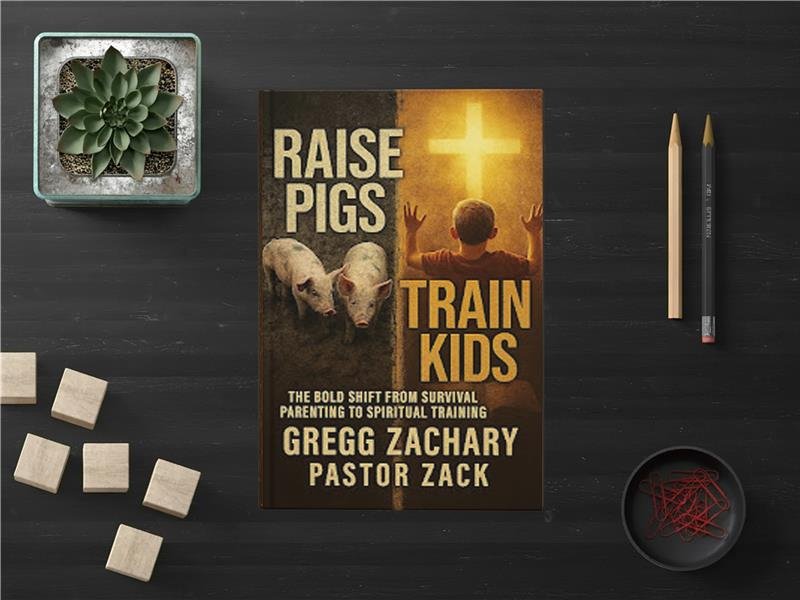
Parenting today looks very different than it did even twenty years ago. We have more resources, more information, more programs, more technology, and more parenting advice than any generation before us. Yet many parents feel more overwhelmed, more uncertain, and more exhausted than ever.
Somewhere along the way, we quietly shifted from training children with intention to simply raising them through survival.
And that shift is more dangerous than we realize.
Raising Is About Survival. Training Is About Direction.
Raising a child often means providing the basics: food, shelter, education, activities, safety. It’s making sure they grow physically and function socially. It’s keeping them busy and keeping them moving.
Training, however, goes deeper.
Training asks:
- Who are they becoming?
- What values are shaping their decisions?
- What foundation are we building for their future?
Raising keeps a child alive.
Training shapes their identity.
In today’s fast-paced culture, it’s easy to slip into raising mode. We focus on getting through the day. We manage schedules. We handle behavior. We solve immediate problems.
But training requires intentional leadership.
It requires purpose.
The Culture Is Training Them If You’re Not
Here’s the reality: children are always being trained.
If parents step back from intentional training, culture steps in. Social media, entertainment, peer pressure, influencers, and trends begin shaping their beliefs, attitudes, and values.
Screens don’t just entertain. They influence.
Peers don’t just socialize. They shape.
Culture doesn’t just suggest. It defines.
When we shift from training to just raising, we unintentionally outsource our child’s spiritual and moral development.
And culture rarely trains toward character.
Growth Does Not Equal Maturity
One of the most common parenting assumptions is that maturity comes automatically with age.
But age only guarantees growth.
It does not guarantee wisdom.
A child can grow taller without growing disciplined.
They can become more independent without becoming responsible.
They can gain knowledge without gaining discernment.
Training requires repetition and consistency.
It means correcting with purpose.
Explaining values.
Modeling behavior.
Revisiting conversations again and again.
Maturity doesn’t happen by accident.
It happens by design.
Managing Behavior vs. Shaping Hearts
There’s a big difference between managing behavior and shaping character.
Managing behavior focuses on the outside:
Stop that.
Don’t say that.
Follow the rules.
Shaping hearts focuses on the inside:
Why does this matter?
Who are you becoming?
What does integrity look like here?
If we only manage behavior, children often comply while they’re supervised but collapse when they’re free.
Training prepares them for independence.
Raising often prepares them for supervision.
The goal of parenting is not to control children forever.
It’s to equip them to stand on their own.
Why Training Feels Harder
Let’s be honest: training is exhausting.
It requires consistency when you’re tired.
Patience when you’re frustrated.
Conversations when you’d rather avoid conflict.
It’s easier to hand over a device than to explain a value.
It’s easier to avoid tension than to correct with care.
It’s easier to entertain than to engage.
But easy parenting produces fragile results.
Strength is built through repetition.
Character is built through correction.
Faith is built through modeling.
Training feels harder because it is intentional.
And intentional parenting requires effort.
Reclaiming the Role of a Trainer
The good news is this: it’s never too late to shift back.
Training doesn’t require perfection.
It requires purpose.
You can start by:
- Turning daily moments into teaching opportunities.
- Having conversations about values instead of just enforcing rules.
- Modeling the behavior you want your children to adopt.
- Being present instead of distracted.
- Prioritizing character over convenience.
Training isn’t about creating flawless kids.
It’s about creating grounded ones.
Children who know what they believe.
Children who understand why they believe it.
Children who can stand firm when pressure comes.
The Future Is Built Today
The shift from training to just raising may seem small in the moment, but its impact is long-term. Today’s habits shape tomorrow’s adults.
If we only raise our children, we may produce individuals who function in society.
But if we train them, we shape individuals who lead, influence, and stand firm in their values.
Parenting is not just about getting them to adulthood.
It’s about preparing them for life.
And life requires more than growth.
It requires training.
Conclusion
The dangerous shift from training to just raising kids doesn’t happen overnight. It happens slowly, quietly, through busyness, exhaustion, distraction, and convenience. One day, you’re leading intentionally. Next, you’re just trying to survive.
But here’s the truth: survival is not the goal of parenting.
Formation is.
Our children don’t just need protection – they need preparation. They don’t just need affection – they need direction. They don’t just need to grow – they need to be guided.